


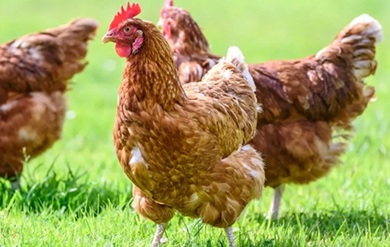
 NEW YORK—The Open Wing Alliance (OWA), a global coalition of 82 organizations working to end the abuse of chickens worldwide, applauds Best Western Hotels & Resorts, one of the world’s largest hotel brands, for purchasing cage-free egg credits, marking a landmark step toward fulfilling its global 100 percent cage-free egg commitment. Last October, the OWA paused its global campaign against Best Western after the company reported significant progress toward its global 100 percent cage-free commitment and pledged to purchase cage-free egg credits. The announcement marks the fulfillment of that pledge.
“Best Western continues to back up its global 100 percent cage-free egg commitment with meaningful action,” said Brooke Fane, Senior Global Campaigns Lead at the Open Wing Alliance. “By following through on its promise to purchase cage-free credits, Best Western has demonstrated that companies don’t need to wait for perfect supply conditions before acting. Viable solutions already exist to address regional sourcing challenges and keep cage-free implementation moving. It’s time for companies like Choice Hotels, Radisson Hotels, and Hyatt to stop delaying and take meaningful steps to fulfill their own public cage-free commitments.”
Cage-free credits enable companies to support certified cage-free egg producers while helping address temporary supply constraints in developing markets. Combined with direct cage-free sourcing, they provide a practical pathway for companies to continue advancing their animal welfare commitments while strengthening regional cage-free supply chains.
By investing in cage-free credits, Best Western is taking responsibility for the welfare of hens in its supply chain while supporting the producers driving the growth of cage-free systems and helping accelerate progress in markets where transitions remain challenging. This demonstrates how global hospitality companies must use practical solutions to uphold their animal welfare commitments and create meaningful change.