


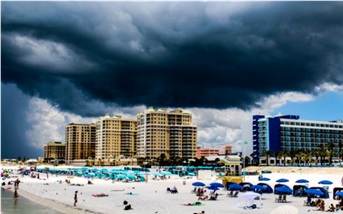
 NATIONAL REPORT—Lodging sustainability has often focused on reducing resource use across daily operations. Those priorities still deserve attention but changing climate conditions now require a wider view. Hotels and resorts need plans for weather-related disruptions before those risks affect guests or building systems. A greener property should also remain prepared when local conditions become more difficult.
Sustainable design loses value when a property cannot safeguard guests, staff, and building systems during disruptive weather. Operators invest in efficiency and guest comfort, so they need resilience plans to protect those improvements. When a single storm can interrupt occupancy and safety, it’s clear why climate adaptation matters for lodging. Adaptation turns sustainability from a facilities goal into an operating strategy.
Property teams can start by reviewing the risks most likely to affect their location. Coastal hotels may focus on storm surge and flood exposure, while mountain or inland properties may face wildfire smoke and heat. Facility leaders should connect those risks to practical decisions about how the property will operate during disruption. This approach helps teams prioritize upgrades before a weather event forces expensive reaction.
Flood Planning Requires Practical Detail
Flood risk deserves close attention because water can disrupt both guest-facing spaces and back-of-house operations. Lodging teams should know which entrances, loading areas, basements, and ground-floor mechanical spaces need protection first. Planning may include reviewing flood-protection solutions for emergency response as part of a broader plan, so staff members understand their roles clearly before conditions deteriorate.
Adaptation also supports greener operations after the weather clears. A property with less water intrusion may avoid unnecessary repairs and material waste. Staff can reopen essential areas sooner and reduce the environmental cost of recovery. In this way, climate adaptation for lodging supports continuity and sustainability.
Guest Trust Depends on Preparation
Guests rarely see the full details of an emergency plan, but they notice when a property communicates clearly and operates with confidence. Owners and operators should train teams on how to respond before, during, and after disruption. Design teams can also support resilience by choosing durable materials in vulnerable areas and protecting key systems from predictable exposure. Climate adaptation gives lodging professionals a more complete way to protect property while supporting guest safety and long-term environmental progress.