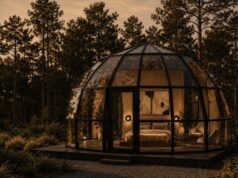



A hotel’s physical structure speaks before any mission statement, or sustainability certification ever can. Modern travelers increasingly seek authentic, eco-friendly practices rather than surface-level green marketing, and sustainable architecture offers the most visible and verifiable proof of commitment.
From the materials in the walls to the design philosophy shaping common spaces, architectural decisions communicate values that resonate with environmentally conscious guests.
Why Today’s Travelers Demand Sustainable Design
The shift toward sustainable travel has moved from niche preference to mainstream expectation. Recent data shows that 83 percent of travelers want sustainable options when making travel decisions. This overwhelming demand has transformed ecotourism into a substantial economic force worth $295.83 billion in 2025 and continuing to expand rapidly.
The hospitality industry has responded by establishing coordinated environmental responsibility standards. For instance, the World Travel & Tourism Council has outlined 12 tenets of sustainable hospitality for properties that implement meaningful practices. These frameworks recognize that guests can easily distinguish between genuine commitment and superficial greenwashing efforts.
Properties cannot easily fake sustainable architecture, nor can they add it as an afterthought. The materials that form a building’s foundation, walls and structure. They represent long-term investments that signal environmental stewardship instead of temporary marketing campaigns.
Building a Greener Narrative with Sustainable Architecture
Architectural materials serve dual purposes in modern hospitality design, from providing functional performance while simultaneously communicating a property’s environmental values. Material transparency also allows visitors to see and understand the environmental choices embedded in their surroundings.
The Role of Bio-Based Composites
Bio-based composites represent an emerging category of construction materials that transform agricultural and industrial waste into high-performance building products. These engineered materials let hotels incorporate advanced sustainable solutions without sacrificing structural integrity or aesthetic appeal. Applications typically range from wall panels and flooring to decorative elements that showcase innovation.
The composites often outperform traditional alternatives. For example, research indicates that certain bio-based materials exhibit impressive antibacterial and water-resistant properties, as well as exceptional thermal stability.
Hotels that use bio-based materials benefit from both environmental credentials and practical advantages, such as improved hygiene and better moisture management in humid climates. The dual functionality makes bio-composites particularly valuable in high-traffic areas where durability and cleanliness matter most.
The Value of Recycled & Reclaimed Materials
Circularity principles become visible to guests when hotels incorporate reclaimed steel, salvaged wood and other recycled materials into their structures. Incorporating these materials reduces the environmental burden of virgin resource extraction and gives discarded materials a new purpose.
Savings can be dramatic, with studies on reclaimed steel applications showing that optimized designs can reduce environmental impact by 64 percent to 67 percent compared to conventional construction methods.
Lodging that showcases these materials lets guests directly witness resource conservation rather than through promotional claims. Exposed reclaimed beams, repurposed fixtures and salvaged architectural elements also become conversation pieces that reinforce sustainability messaging.
The Impact of Mass Timber Construction
Traditional concrete and steel production accounts for 15 percent of global carbon emissions annually, making material selection among the most impactful sustainability decisions in hotel development. Mass timber construction offers a compelling alternative by using engineered wood products that sequester carbon instead of releasing it during production.
Beyond carbon benefits, engineered wood systems deliver the structural performance and fire resistance that multi-story buildings require. The visible wood elements also create warm, inviting interior spaces that enhance the guest experience. It can also subtly reinforce the property’s commitment to sustainable architecture.
Connecting Guests to Nature with Biophilic Design
Biophilic design expands sustainable architecture from material selection to encompass how spaces incorporate natural elements. This philosophy integrates features such as abundant natural light, living vegetation and organic shapes to create spaces that enhance guest well-being while demonstrating environmental awareness.
Properties that embrace biophilic principles may see measurable improvements in indoor environmental quality alongside stronger guest satisfaction scores. Research confirms that green wall installations reduce noise pollution and improve acoustics in hotel common areas. Indoor plants improve air quality by reducing volatile organic compounds and other pollutants.
Hotels might position these features as value-added amenities rather than sacrifices. When designed thoughtfully, biophilic elements create opportunities for properties to differentiate themselves while supporting both environmental goals and enhanced guest experiences.
Global Examples of Eco-Conscious Architecture
Real-world case studies demonstrate how properties translate sustainable principles into distinctive guest experiences. The following examples showcase hotels that made locally appropriate material choices central to their identity and appeal.
Egypt’s Earth-Built Adrère Amellal Eco-Lodge
Located in Egypt’s Siwa Oasis, the Adrère Amellal Eco-Lodge exemplifies vernacular architecture for luxury hospitality. The entire structure uses kershaf and clay, which are traditional materials from the surrounding desert landscape. Its thick walls provide natural insulation against extreme desert temperatures, reducing energy consumption.
The lodge also operates without electricity. Instead, it relies entirely on the thermal properties of its earthen construction.
Kershaf generates a tactile connection to the landscape that modern materials cannot replicate. This material choice also eliminates the environmental costs of transporting modern construction materials across vast distances.
India’s Pench Tree Lodge & Local Wood
The Pench Tree Lodge in central India elevates sustainable design through its innovative treehouse architecture. Each raised structure utilizes local sal wood from sustainably managed forests in the region. With this minimal ground-level footprint, the hotel protects the forest floor.
Additionally, guests can enjoy canopy-level views of wildlife and feel immersed in nature. Local sourcing also minimizes transportation-related emissions while supporting the regional forestry economy.
Designing the Future of Responsible Hospitality
Sustainable architecture has evolved from an optional differentiator to an essential component of competitive hospitality. Properties that invest in eco-conscious materials and design philosophies position themselves to meet escalating guest expectations and foster resilient business models for long-term success. Hotels that recognize architecture as a powerful means of communicating environmental values will be more likely to thrive.
About the Author
Lou Farrell is the Senior Editor of Sustainability, Construction, and Manufacturing for Revolutionized Magazine. He has over five years of experience crafting compelling articles on a variety of topics, from energy efficiency trends to eco-friendly construction. He loves to write and is passionate about sharing his knowledge with others.