


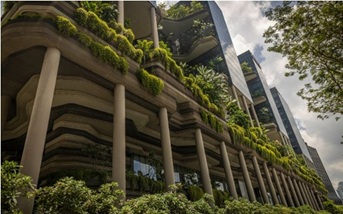
 For lodging owners and operators, hidden stressors are becoming a design and operations question, not just a wellness talking point. Guests may not cite glare, echo, overheated patios, or poor air circulation as reasons they feel uncomfortable, but those conditions can shape the overall quality of the stay.
Many green lodging projects begin with highly visible improvements, such as efficient lighting and water-saving fixtures. Those remain important, but how green hotels can reduce hidden stressors often comes down to the spaces between systems.
A lobby with efficient lighting can still feel harsh if reflective surfaces create glare. A courtyard may support biophilic design but remain underused if heat gain or traffic noise discourages guests from lingering. A meeting terrace can expand usable square footage yet fail to deliver comfort if it lacks shade, acoustic control, or durable boundary materials.
Treat Noise as an Environmental Load
Management usually addresses noise only after complaints, so hotels near major transportation corridors should review potential disturbances earlier in planning. Pool decks and dining areas can also carry unwanted sound into guest-facing spaces. During peak traffic times, a property walk can show where noise is already affecting guest behavior, especially in seating areas where people pass over or leave quickly.
Material selection then becomes part of the sustainability conversation. Permeable architectural surfaces can help reduce sound bounce while preserving airflow and daylight. In outdoor and transitional spaces, design strategies for shade, acoustics, and solar protection can help operators think about comfort as one integrated system rather than a set of separate fixes.
Reduce Glare and Heat in Transitional Areas
Hotels increasingly use terraces, covered entries, breezeways, and outdoor work areas to extend guest experience beyond conditioned interiors. With the right design, these spaces can reduce dependence on mechanical cooling, but unmanaged solar exposure can also introduce heat stress.
Shade and exterior screening can reduce glare while still supporting daylight access. The goal is not to darken a space, but to create visual comfort as sun exposure changes throughout the day. Operations teams should also watch how surface temperature affects guest use, since dark paving or exposed metal furnishings can make outdoor areas uncomfortable during hotter months. Improving shade coverage can make the space more comfortable without a major renovation.
Use Maintenance Data as a Comfort Signal
Hidden stressors often appear first in maintenance logs. Repeated HVAC adjustments, complaints about noisy rooms, and premature fabric wear in sun-exposed lounges all point to environmental strain. Green hotels can reduce hidden stressors by identifying the points at which guests feel discomfort before they can clearly describe it.
A quieter guestroom corridor or more comfortable queue area may not photograph as well as a lobby redesign, but it can support both resource efficiency and occupant comfort. Sustainability is stronger when it removes discomfort that people may never report.