


One of the first topics I tackled in the early days of Green Lodging News was smoking in hotels, its impact on the bottom line, and the impact on guest and staff health. For the most part, 100 percent nonsmoking is the industry standard, but smoking is still allowed in most casinos—even if just in a designated area. Just because smoking is not allowed in hotels does not mean it does not occasionally happen. I have written about smoking detection technology that makes it easier to track and charge for violations.
Over the last 20 years, vaping has become much more popular and another challenge for hoteliers concerned about maintaining a high level of indoor air quality.
A Dallas Success Story
This past week the following news caught my eye:
Smoking and vaping incidents across a group of Dallas-area hotels declined 23 percent in the six months following the city’s indoor vaping ordinance and the adoption of air quality monitoring technology, according to new data released by Rest, a hospitality technology company that specializes in room-level air quality monitoring and smoking detection. The analysis covered nearly 1,700 monitored guestrooms across Dallas, Fort Worth, and Arlington.
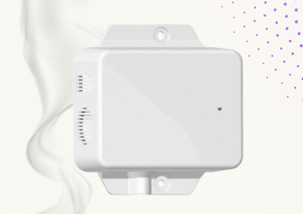
The 23 percent figure reflects a comparison of incident rates per monitored room during the six months before the December ordinance against the six months after, capturing the period in which the city’s new rules and room-level monitoring were both in effect across the participating Dallas, Fort Worth, and Arlington properties.
The findings arrived as North Texas hotels navigated the busiest stretch of their year, welcoming international visitors for the 2026 FIFA World Cup while adjusting to a wave of new smoking and vaping regulations. The region hosted nine tournament matches at AT&T Stadium in Arlington through the semifinal on July 14, more than any other venue in the competition, and drawing fans from countries across Europe, South America, Asia, and the Middle East into a market where indoor smoking and vaping rules have tightened considerably over the past year.
Clear Policy, Consistent Standard
“The decline we have seen across our Dallas-area properties shows what happens when a clear policy is matched by a consistent standard, which gives hotel teams real clarity in what can be a delicate conversation with a guest,” said Christine Myer, co-founder and VP of Customer Operations & Marketing at Rest. “With travelers coming to the U.S. from dozens of countries this summer, and guest expectations and regulations both evolving, the hotels that keep every room clean and healthy are the ones best positioned to protect their properties and the guest experience.”
Dallas’s indoor vaping ordinance, which took effect on December 11, 2025, expanded the city’s existing smoking restrictions to cover electronic smoking devices and now treats vaping the same as traditional smoking throughout the city. Under the updated code, hotels are specifically required to post signage indicating that both smoking and the use of electronic smoking devices are prohibited, and violations carry fines of up to $500.
The city measure followed a series of statewide actions over the past year, including a 2025 law that ended the retail sale of vapes containing cannabinoids. Additional federal restrictions on hemp-derived products are scheduled to take effect in November, pointing to a regulatory direction that continues to move toward stricter indoor air standards.
Rest’s sensors continuously monitor air quality and use a proprietary algorithm to identify combusted or vaporized tobacco, marijuana, and nicotine, alerting hotel staff in real time so they can uphold their own smoke-free policies and protect a clean, comfortable environment for every guest.